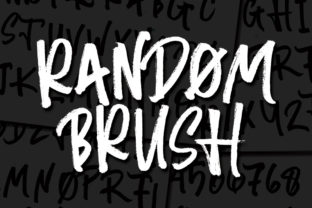
Random Brush: A Textured Brush Font for Authentic Web Design
Random Brush in a Creative Portfolio Hero Section
I recently started designing a portfolio homepage for a lifestyle photographer who wanted a digital presence that felt personal yet professional. I opened Figma and dropped in Random Brush for the hero headline. The textured brush strokes gave the header a hand-drawn authenticity that aligned with the organic, artistic tone of the brand. As a script handwritten font, it felt expressive without being overwhelming. I adjusted the letter spacing and used it at a large size over a soft hero image. The result was a strong visual anchor that invited users to explore the page further.
Readability Considerations on Mobile Screens
While the font looked great on desktop, I checked how it rendered on mobile. Since Random Brush is a decorative script font, I made sure to limit its use to short phrases and titles. On smaller screens, I reduced the amount of text wrapped in this font and used it only for the main headline. This helped maintain visual interest while ensuring readability. I also tested it over dark and light backgrounds, and found that it worked best with a light background or a semi-transparent overlay when placed over images.
Random Brush for Boutique Online Store Branding
During a recent redesign of a small boutique’s Shopify store, I needed a font that felt personal and unique, but still trustworthy for e-commerce. I used Random Brush for the store logo and category headers. It added a warm, handcrafted vibe to the brand identity. Pairing it with a clean sans-serif for product descriptions and body text created a balanced visual hierarchy. The contrast between the textured brush style and the minimalist supporting typography gave the site a modern yet approachable feel.
Font Pairing Tips for Web Design
One of the key strengths of Random Brush is how well it pairs with other typefaces. In the boutique project, I used it for headlines and paired it with a neutral sans serif like Inter or Open Sans for product details and buttons. This combination allowed the script handwritten texture to stand out without compromising usability. For editorial-style pages or blog headers, I’ve also successfully paired it with serif fonts like Playfair Display, creating a layered and expressive layout.
Using Random Brush in a Coaching Website’s Call-to-Action
When building a landing page for a life coach’s new course, I wanted the call-to-action to feel encouraging and human. I used Random Brush for the CTA button text: “Start Your Journey Today.” The organic texture of the font gave the button a personal touch, making it feel less like a generic web element and more like a handwritten invitation. I made sure the button had enough padding and contrast so the text remained legible, even with the font’s irregular strokes.
Best Use Cases for Random Brush
- Logo design – Perfect for brands that want a handcrafted, approachable identity
- Hero section headlines – Works well for short, impactful statements
- Blog headers – Adds personality to editorial layouts
- Product landing pages – Ideal for promotional banners and feature highlights
- Call-to-action buttons – Gives a warm, personal tone to web interactions
Random Brush in a Digital Brand Kit
When putting together a brand kit for a wellness blogger, I included Random Brush as the primary display font. Its textured brush style complemented the brand’s soft color palette and organic aesthetic. I used it in social media graphics, newsletter headers, and branded landing pages. Because the font is available in multiple formats, I could easily export assets for both web and print use. I also made sure to check licensing to ensure it could be used across client projects and digital templates.
Checking Font Availability and Licensing
Before finalizing any project, I always double-check the font files included with Random Brush. It’s important to know whether the package includes webfont versions, alternate characters, and support for multiple languages. I also confirm that the license allows for commercial use, especially when designing for clients or online stores. These small steps ensure the font can be used confidently and legally across all digital assets.
Random Brush for Promotional Landing Pages
During a campaign for a new online course, I designed a promotional landing page using Random Brush for the main headline and key feature points. The script handwritten texture gave the page a creative, energetic feel that matched the course’s branding. I layered it over soft background illustrations and used a simple sans-serif for supporting copy. The result was a landing page that felt both professional and personable — a balance that’s essential for converting visitors into signups.
Final Layout Tips for Using Random Brush
- Use at larger sizes for best impact
- Limit to short phrases and titles
- Pair with minimalist sans or serif fonts
- Check legibility on mobile and dark backgrounds
- Verify webfont compatibility and licensing